

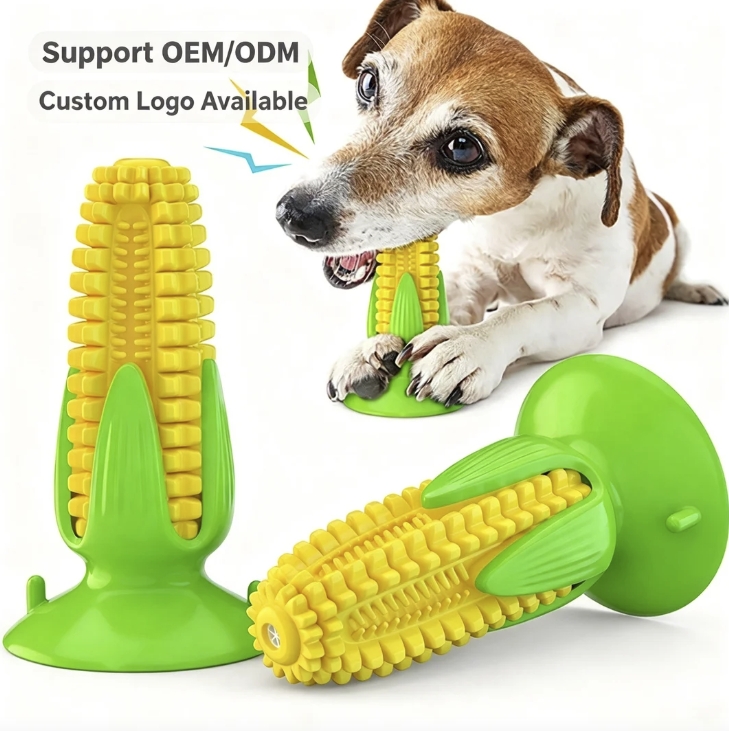

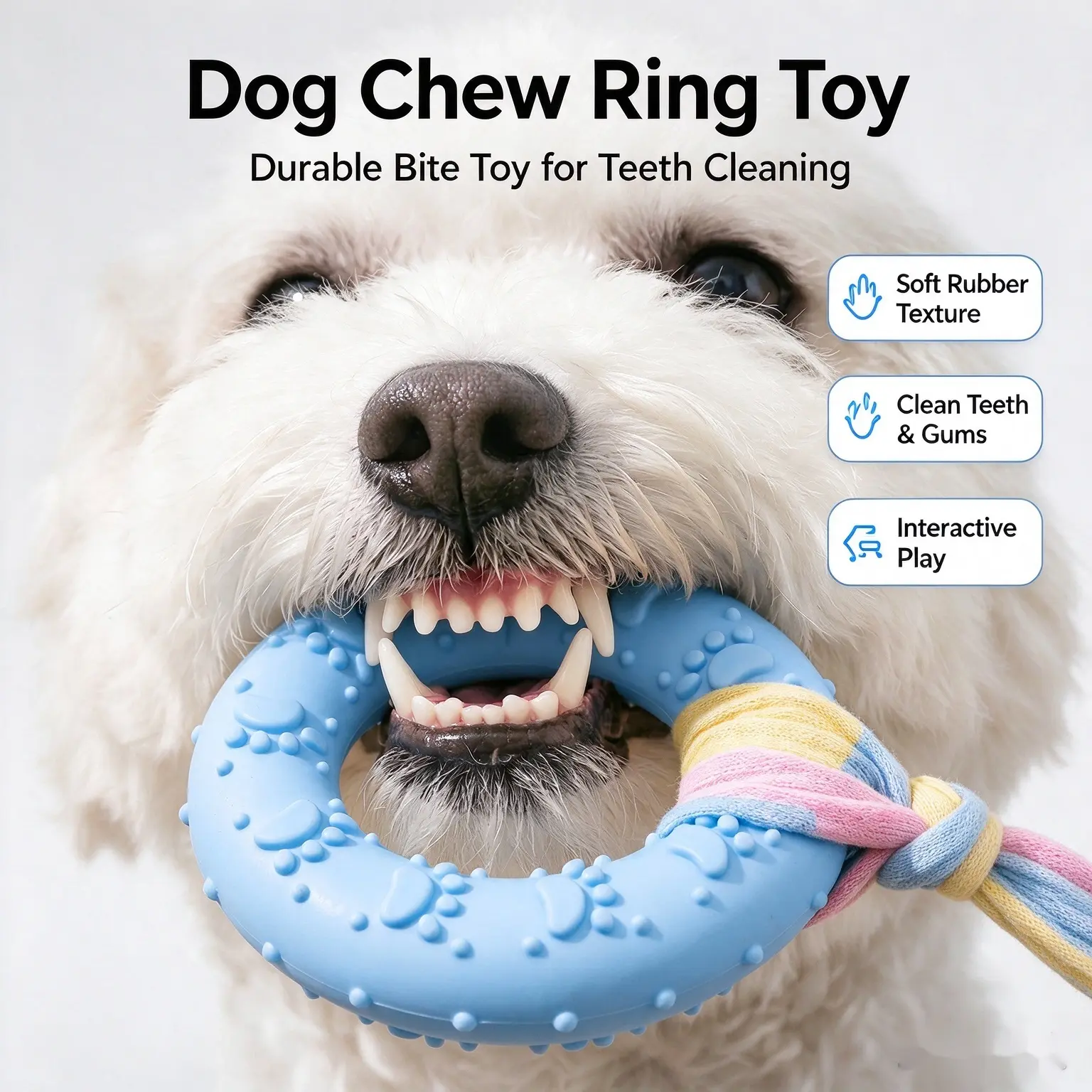
If you stock pet toys, understanding how dogs see color is more than a fun fact—it’s a direct path to higher sales and happier customers. Many pet parents grab the brightest red or orange toy off the shelf, unaware that their dog hardly distinguishes it from the grass. By guiding your clients toward the right colors and features, you position your brand as a trusted expert.
How a dog’s color vision works
Dogs have dichromatic vision, meaning they see the world primarily in shades of blue and yellow. Unlike humans, who have three types of color-detecting cones, dogs lack the cone for red-green distinction. As a result, red, orange, and green appear as muted browns, grays, or dull yellows. To a dog, a vibrant red ball on green grass looks almost identical to the grass itself—making it far less engaging.
What colors do dogs prefer?
Research and behavioral observation point clearly to blue and yellow as the most visible and stimulating colors for dogs. High-contrast combinations, such as bright blue against a lighter background or bold yellow against a dark floor, grab their attention instantly. Many toy manufacturers now use these insights to design products that stand out to canine eyes. When curating your inventory, prioritize toys in these shades. They’re easier for dogs to spot during fetch, tug, or solo play, which means more repeat purchases and stronger brand loyalty for your business.
How to help customers choose the right toy
Color is just the starting point. A great toy matches the dog’s size, play style, and chewing strength. Offer your clients a simple framework: for strong chewers, suggest durable rubber toys in blue or yellow; for gentle players or puppies, soft plush toys in high-contrast yellows and blues work well. Always remind them that toy size must exceed the dog’s throat to prevent choking, and highlight non-toxic, BPA-free materials. For fetch-obsessed dogs, a blue ball that doesn’t disappear into the lawn can be a game-changer. For indoor play, a yellow toy stands out beautifully on hardwood or dark carpet. Including these details in your product descriptions or sales training shows you understand the real needs behind the purchase.
By educating your wholesale customers or end buyers with this knowledge, you don’t just sell more toys—you create better play experiences for dogs. And when a dog loves a toy, their owner will be back for more. Stock smart, sell with insight, and let color science work in your favor.